Sudden Water Pressure Loss
We trace sudden pressure loss for Indiana homeowners, checking fixture flow and accessible supply lines; typical repairs run $150–$500, depending on access and parts.
A booster pump must match the home’s water demand, not just the pressure reading. Indiana Plumbing Pros installs correctly sized booster systems for Indiana properties, including homes where seasonal groundwater changes affect well performance. Near Indianapolis Motor Speedway, keep the pump area accessible before scheduling so the crew can assess the installation location.
Browse all service options available across Indiana and choose the right fit for your project.
We trace sudden pressure loss for Indiana homeowners, checking fixture flow and accessible supply lines; typical repairs run $150–$500, depending on access and parts.
We test residential water pressure with a gauge and compare static and flowing readings; testing time and access shape the diagnostic fee.
We repair residential pressure regulators, including accessible valve and connection work; typical repairs run $250–$700, depending on valve size and labor.
Low hot water pressure service checks hot-side valves, fixtures, and accessible pipe restrictions; typical repairs run $150–$600, depending on access and parts.
We trace weak cold-water flow in homes, checking fixtures and accessible supply piping; typical repairs run about $100–$500, depending on access and the affected pipe section.
Low Faucet Water Pressure service for homeowners with weak sink flow, including aerator and faucet checks; cost depends on access, parts, and the source of the restriction.
We restore weak shower flow by checking the showerhead, valve and supply path; access and repair scope shape the cost.
Whole-house pressure service traces weak flow across a home’s supply, fixtures, and pressure controls. Typical repair costs depend on the source, parts, and access.
We repair residential well pumps and pressure controls, checking the tank and switch; typical repair costs $300–$1,200 depending on tank size and parts.
Repair well pressure tanks for homeowners, including tank and component work; typical jobs run $300–$1,200, depending on tank size and parts.
We trace weak upstairs flow in homes, checking the pressure path and accessible piping. Repair scope depends on access, pipe condition, and parts.
We replace household pressure regulators, including valve sizing and fit; typical jobs run $250–$700, driven by valve size and labor.
We clear or repair clogged residential water lines, including accessible pipe sections; typical jobs run $200–$1,500, depending on blockage location and pipe access.
We repair softener valves, clogged resin beds, and bypasses; typical repairs run $150–$600, depending on parts and access.
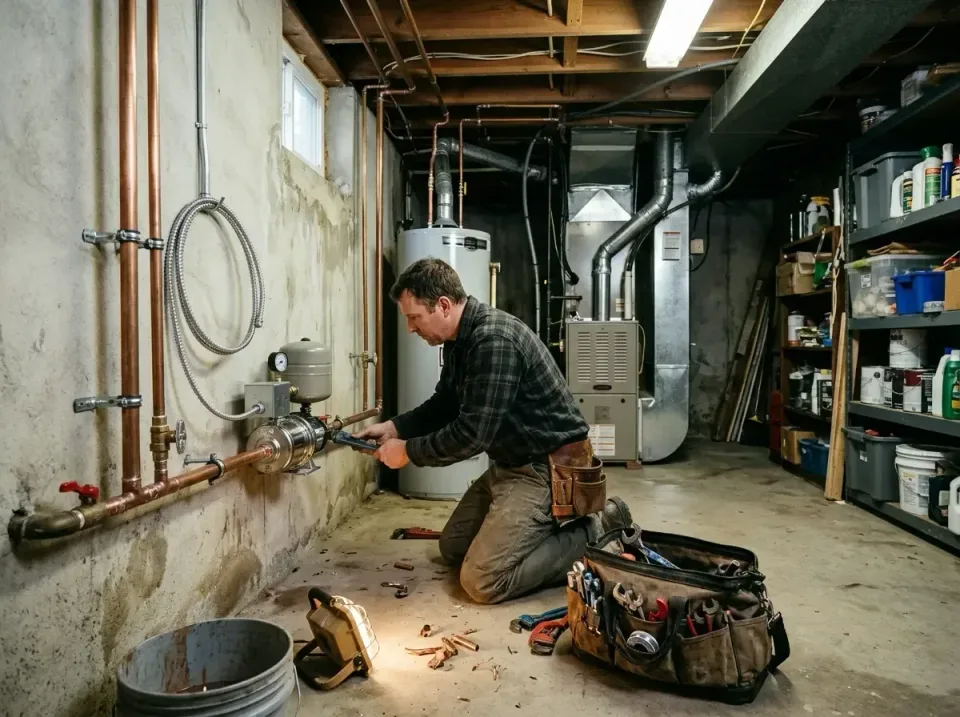
A booster pump should raise usable pressure without outrunning the home’s plumbing. We check the supply, intended flow, pump location, and electrical requirements, then size equipment to the demand rather than choosing by horsepower alone. The pressure gauge helps us compare actual readings with the proposed operating range.
Near French Lick Resort, a household with a private well should account for seasonal groundwater changes because they can alter available supply and affect pump performance. Heavy snow can also cover exterior shutoff valves, so clear access before installation day helps avoid delays and keeps the shutoff reachable.
No guesswork. We explain the proposed scope and limits before work begins, then complete only what you approve. For a scope review, call Indiana Plumbing Pros at (877) 773-0781.
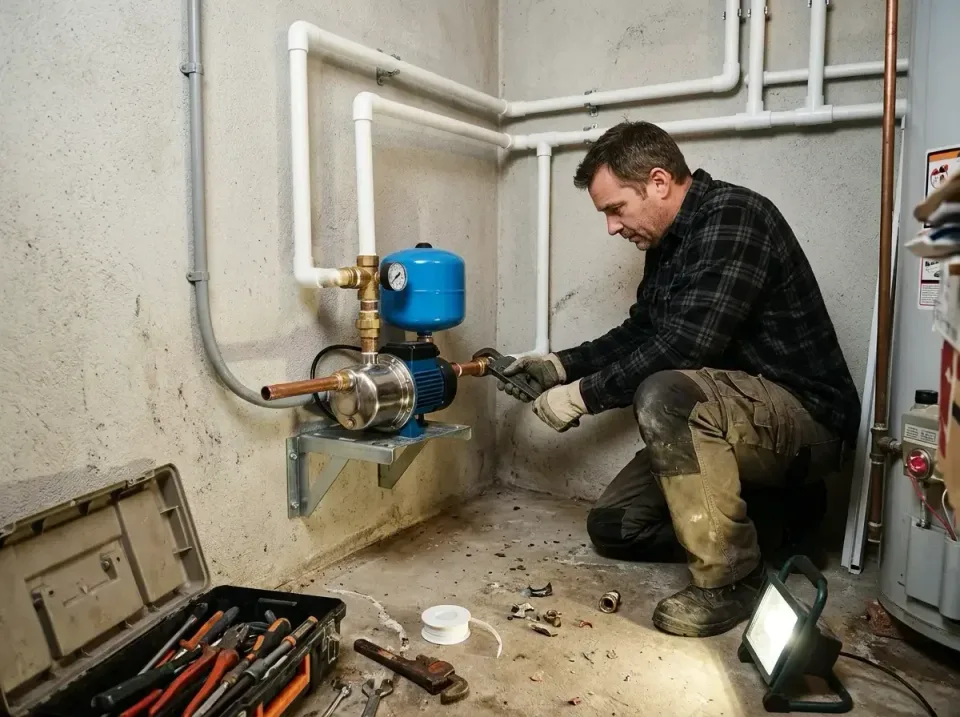
We begin by identifying the water source and the proposed pump location. That first check matters.
Next, we measure static and flowing pressure; those readings can differ because running fixtures create a pressure drop. We compare those results with the household’s flow needs and available supply, then confirm electrical access and shutoff reach. At Purdue University, a homeowner preparing for work can use the same practical step: clear the route to the equipment area and share any known well or plumbing details.
Before installation, we review the pump selection and the work area with you. If flooding has affected a well, water-quality checks may be needed before equipment decisions; a pump is not a substitute for those checks.
Indiana Dunes State Park is a useful reminder that water conditions vary across the state, so we assess the actual property rather than assume a standard setup. We test operation after installation and explain what we found.
A pump added to a home near Conner Prairie still has to suit its supply, plumbing, and electrical setup; a unit chosen by guesswork can create poor operation or unnecessary strain. We measure before recommending equipment. A quick online sizing estimate often misses how much flow the home needs when several fixtures run, while our crew checks demand and available supply together.
We also verify the installation location, shutoff access, and electrical requirements before work begins. Columbus Architecture shows how varied Indiana’s buildings can be; existing plumbing layouts and available space can differ just as much from home to home.
We explain the proposed scope and any local permit question before proceeding, then get approval rather than adding unrequested work. Our insured residential plumbing crew can review the setup and discuss options in plain language. If pump selection or wiring is unclear, have us assess it before connecting equipment.
A booster pump installation is commonly $800–$2,500. Pump capacity and electrical work are the main drivers; access, existing piping, and the chosen installation location can also affect scope. A small demand profile does not automatically mean a smaller job if the wiring or plumbing connection needs attention.
Indiana’s humid continental climate can mean different seasonal demands on household water, so we assess the property instead of quoting from a pump label alone. Near Tippecanoe Battlefield Park, a home’s particular setup still matters more than its location.
At West Baden Springs Hotel, visitors can see that buildings differ; likewise, access and available space shape residential installation work. Southern Indiana winters are generally milder, but that does not remove the need to check exposed equipment and piping.
Final quotes vary by scope, parts, access, and site conditions. For a quote based on pump capacity and electrical needs, contact Indiana Plumbing Pros at (877) 773-0781.
A booster pump that runs longer than usual is an early sign to notice. Changes in run time can point to shifting demand or a system issue. Note when it happens and which fixtures are in use so a plumber has useful context.
A new hum, rattle, or vibration from the pump is a sign worth checking. Sound changes can come from mounting, piping, or pump operation, and do not identify the cause on their own. Keep the area clear and describe the change to your plumber.
Moisture around pump connections is an early warning sign. Dampness can develop at fittings or nearby piping, so check the area without opening or tightening pressurized connections. If moisture returns after drying, have a plumber assess the installation and surrounding plumbing.
Service availability and route planning affect when a technician can reach your area. Ask how scheduling works for your community and how the company communicates changes, especially if you live outside a major city.
Written terms help clarify the approved scope, payment arrangements, and any conditions that apply. Ask to review the agreement before work starts and make sure you understand how changes to the planned work are handled.
Drought periods can reduce private well production, so a booster pump should not be sized until the supply can meet the home’s needs.
Yes, spring rainfall can saturate soil around buried service lines, and flooding can affect wells and require water-quality checks before pump decisions. Tell the plumber about recent flooding and arrange any needed water-quality assessment before installation.
Freeze-thaw cycles stress buried water lines, so a pump installation should account for the condition and route of connected piping. Near the South Shore Line, tell the crew about known buried-line repairs and keep the installation area accessible.
Permit requirements vary by municipality; Indianapolis plumbing permits are handled through the Department of Business and Neighborhood Services. Ask whether your specific installation requires a permit before work is scheduled, and share the property location with Indiana Plumbing Pros.
Photos of the water equipment, pump location, and electrical access can help the crew understand the proposed work, while noting any pressure changes after spring rain helps frame the assessment. Broad Ripple Village homeowners should also mention access limits or recent work near buried service lines.
Not by itself: spring rainfall can saturate soil around buried service lines, so a shifted or damaged line may need attention before a pump is considered. Near Monument Circle, describe when the pressure changed and whether nearby work or wet ground is involved; the crew can assess the cause before recommending equipment.
Select a city to find local low water pressure repair providers we cover in Indiana.