Booster Pump Installation
Booster pump installation for Indiana homes includes pump sizing and electrical coordination; typical jobs run $800–$2,500, depending on pump capacity and electrical work.
When hot water trickles from a shower or sink while cold water still runs normally, the restriction may be in the hot-water path. Indiana Plumbing Pros helps Indiana homeowners pinpoint low hot water pressure and understand the repair options without treating every weak stream as the same problem.
Browse all service options available across Indiana and choose the right fit for your project.
Booster pump installation for Indiana homes includes pump sizing and electrical coordination; typical jobs run $800–$2,500, depending on pump capacity and electrical work.
We trace sudden pressure loss for Indiana homeowners, checking fixture flow and accessible supply lines; typical repairs run $150–$500, depending on access and parts.
We test residential water pressure with a gauge and compare static and flowing readings; testing time and access shape the diagnostic fee.
We repair residential pressure regulators, including accessible valve and connection work; typical repairs run $250–$700, depending on valve size and labor.
We trace weak cold-water flow in homes, checking fixtures and accessible supply piping; typical repairs run about $100–$500, depending on access and the affected pipe section.
Low Faucet Water Pressure service for homeowners with weak sink flow, including aerator and faucet checks; cost depends on access, parts, and the source of the restriction.
We restore weak shower flow by checking the showerhead, valve and supply path; access and repair scope shape the cost.
Whole-house pressure service traces weak flow across a home’s supply, fixtures, and pressure controls. Typical repair costs depend on the source, parts, and access.
We repair residential well pumps and pressure controls, checking the tank and switch; typical repair costs $300–$1,200 depending on tank size and parts.
Repair well pressure tanks for homeowners, including tank and component work; typical jobs run $300–$1,200, depending on tank size and parts.
We trace weak upstairs flow in homes, checking the pressure path and accessible piping. Repair scope depends on access, pipe condition, and parts.
We replace household pressure regulators, including valve sizing and fit; typical jobs run $250–$700, driven by valve size and labor.
We clear or repair clogged residential water lines, including accessible pipe sections; typical jobs run $200–$1,500, depending on blockage location and pipe access.
We repair softener valves, clogged resin beds, and bypasses; typical repairs run $150–$600, depending on parts and access.
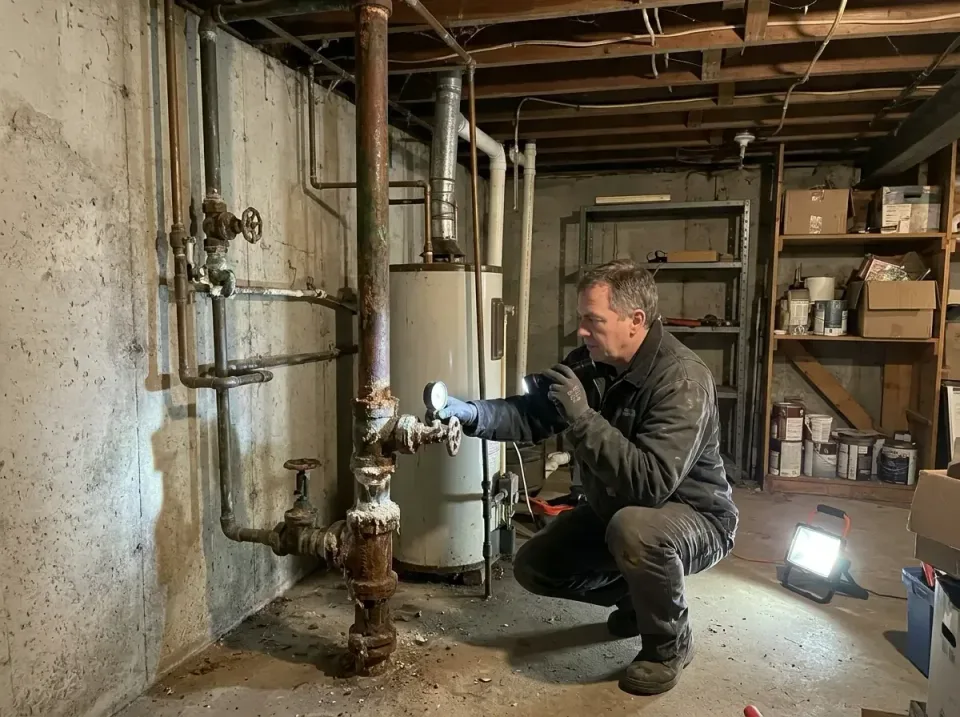
A weak hot stream with normal cold flow points us toward the hot-water side, not automatically to the whole supply. We compare static and flowing pressure, isolate fixtures where useful, and check accessible valves and piping before recommending work. Static and flowing readings can differ, so one gauge reading alone may not explain what happens at a shower or sink.
Near White River State Park, indoor heating can worsen leaks in vulnerable plumbing by making a small drip more noticeable or persistent; watch for damp cabinets or staining. Cold winters can freeze exposed pipes and damage outdoor hose bibs, so protect vulnerable lines before temperatures fall.
Indiana’s humid continental climate brings seasonal temperature shifts that can affect plumbing conditions. We explain what the findings support, then review a practical scope with you. Call (877) 773-0781 to discuss low hot water pressure.
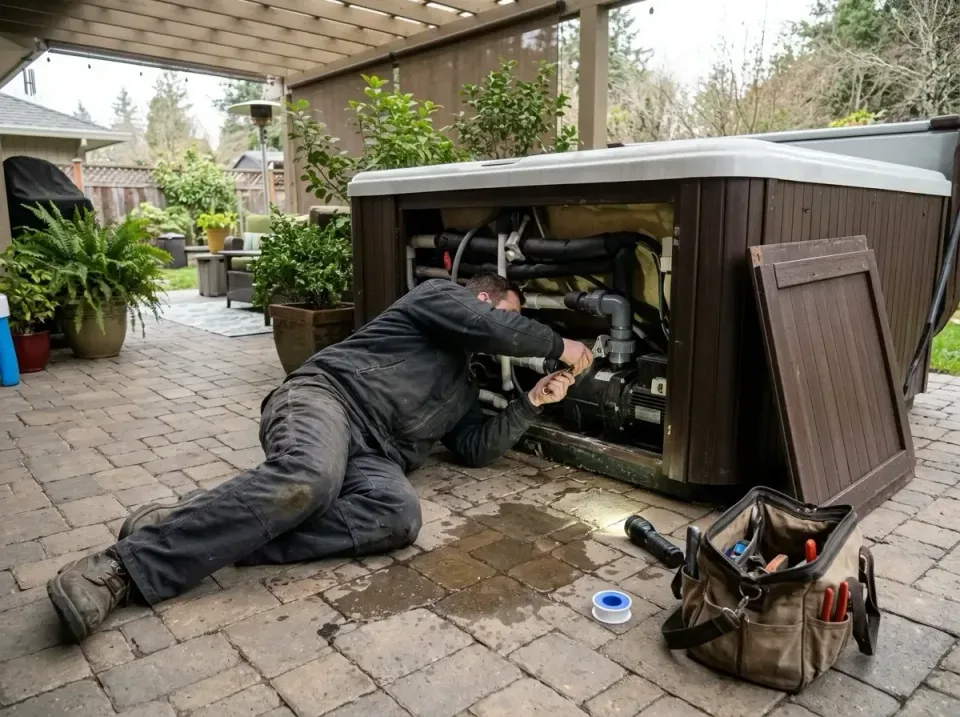
We begin by asking which hot fixtures are weak and whether cold flow at those same fixtures remains normal. That comparison narrows the inspection without dismantling working plumbing. Next, we check accessible shutoffs and measure pressure under static and flowing conditions, because a reading while water is running can reveal a drop that a resting gauge misses.
Then we inspect the relevant fixture and reachable hot-water piping, explaining any limits where walls or finished surfaces conceal the line. In Indiana’s humid continental climate, seasonal conditions can affect plumbing access and scheduling; hard freezes may expose poorly insulated plumbing, so tell us if a line or crawlspace has been unusually cold.
Homes near the Allen County Courthouse or Indianapolis Union Station still get the same measured checks, not assumptions based on location. We agree on the work before proceeding, complete the approved repair, and verify hot flow at the affected fixture. The Indiana Plumbing Code, 675 IAC 16, applies to plumbing work; permit needs vary by municipality.
A homeowner near Conner Prairie may find one hot tap weak and be tempted to replace the fixture immediately, but that can miss a restriction farther upstream. We compare affected hot and cold outlets, inspect accessible valves, and use pressure readings to distinguish a fixture issue from a shared hot-side problem. That step helps keep a repair focused.
Flooding can affect private wells and may require water-quality checks; after water intrusion, do not assume a pressure complaint is only a plumbing blockage. Near the Indiana State Museum, we would still establish whether the home uses public water or a well before choosing a diagnostic path.
Our Indiana-licensed plumbing contractor explains findings in plain language, identifies access limits, and gives you options before work starts. We do not enlarge the job without approval.
If the cause remains unclear, a focused inspection is safer than swapping parts by guesswork; arrange a scope review with our crew.
A single weak hot tap may need only an accessible fixture check, while a restriction hidden behind finished walls takes more investigation. For a hot-side diagnosis, a typical range is $75–$250; testing time and access affect the final amount. A localized pipe blockage repair may run $200–$1,500, depending on where the obstruction sits and how much pipe access is needed.
If the inspection shows a pressure-control component is involved, replacement can range from $250–$700, depending on valve size and labor. That is not a default fix for low hot flow: we confirm the cause first.
Near Monument Circle, seasonal groundwater changes may affect private well performance, so well-system findings can change the repair scope; severe storms can also interrupt power to well pumps. At Pokagon State Park, changing water conditions are a reminder to report recent well symptoms, not a reason to assume a cause.
Final quotes vary by scope, parts, access, and site conditions. Call Indiana Plumbing Pros at (877) 773-0781 for a job-specific quote.
Service availability can vary between cities and smaller communities across Indiana. Ask how the company schedules routes and what timing is realistic for your location. A clear answer helps you plan access to the home without assuming a specific arrival time.
Ask whether the visit includes checking affected fixtures, evaluating the plumbing system, and explaining findings before repairs. Knowing what the assessment covers helps you compare service scopes and understand what information you will receive before deciding on work.
The technician may need access to affected fixtures and relevant plumbing areas to investigate the issue. Ask what spaces should be clear before the visit. Preparing suitable access can make the assessment easier and help avoid delays caused by blocked work areas.
If heavy snow makes your exterior shutoff hard to reach, do not dig or force frozen hardware; New Harmony Historic District, Ohio Riverfront, Evansville, and South Shore Line are useful Indiana reference points as our crew coordinates service, while milder Southern Indiana winters and Brown County State Park conditions can still bring seasonal plumbing needs; call Indiana Plumbing Pros at (877) 773-0781 to review your low hot water pressure.
Low hot water pressure with normal cold flow can indicate a restriction on the hot-water side, but it does not by itself prove the water heater has failed. Compare more than one hot fixture and note whether the flow changes while water is running; seasonal groundwater changes can also affect well performance.
Yes, drought periods can reduce private well production, which may affect available water to the home and hot fixtures. If pressure changes alongside well performance, report that pattern and have the supply and plumbing checked rather than adjusting equipment without measurements.
Rapid temperature swings can raise freeze risk in crawlspaces, where poorly protected plumbing may be vulnerable. If hot flow changes after a cold snap, check only for visible leaks or cold drafts you can safely access, and avoid opening or heating pipes with a flame.
Permit requirements depend on the specific work and municipality; Indiana Plumbing Code, 675 IAC 16, governs plumbing requirements. In Indianapolis, plumbing permits are handled through the Department of Business and Neighborhood Services, so confirm requirements for the job location before work begins.
Tell Indiana Plumbing Pros which hot fixtures have weak flow, whether their cold flow is normal, and whether the issue changes while water runs. In northern Indiana, colder and snowier winters can complicate access to exposed plumbing, so mention any frozen or difficult-to-reach areas when arranging a scope review.
Select a city to find local low water pressure repair providers we cover in Indiana.