Booster Pump Installation
Booster pump installation for Indiana homes includes pump sizing and electrical coordination; typical jobs run $800–$2,500, depending on pump capacity and electrical work.
A shower that loses force without warning can interrupt the whole household, especially when several fixtures weaken at once. Indiana Plumbing Pros handles sudden pressure loss across Indiana, checking whether the change is limited to one outlet or affects the home’s supply. A quick look at nearby fixtures and the water meter can help describe what changed.
Browse all service options available across Indiana and choose the right fit for your project.
Booster pump installation for Indiana homes includes pump sizing and electrical coordination; typical jobs run $800–$2,500, depending on pump capacity and electrical work.
We test residential water pressure with a gauge and compare static and flowing readings; testing time and access shape the diagnostic fee.
We repair residential pressure regulators, including accessible valve and connection work; typical repairs run $250–$700, depending on valve size and labor.
Low hot water pressure service checks hot-side valves, fixtures, and accessible pipe restrictions; typical repairs run $150–$600, depending on access and parts.
We trace weak cold-water flow in homes, checking fixtures and accessible supply piping; typical repairs run about $100–$500, depending on access and the affected pipe section.
Low Faucet Water Pressure service for homeowners with weak sink flow, including aerator and faucet checks; cost depends on access, parts, and the source of the restriction.
We restore weak shower flow by checking the showerhead, valve and supply path; access and repair scope shape the cost.
Whole-house pressure service traces weak flow across a home’s supply, fixtures, and pressure controls. Typical repair costs depend on the source, parts, and access.
We repair residential well pumps and pressure controls, checking the tank and switch; typical repair costs $300–$1,200 depending on tank size and parts.
Repair well pressure tanks for homeowners, including tank and component work; typical jobs run $300–$1,200, depending on tank size and parts.
We trace weak upstairs flow in homes, checking the pressure path and accessible piping. Repair scope depends on access, pipe condition, and parts.
We replace household pressure regulators, including valve sizing and fit; typical jobs run $250–$700, driven by valve size and labor.
We clear or repair clogged residential water lines, including accessible pipe sections; typical jobs run $200–$1,500, depending on blockage location and pipe access.
We repair softener valves, clogged resin beds, and bypasses; typical repairs run $150–$600, depending on parts and access.
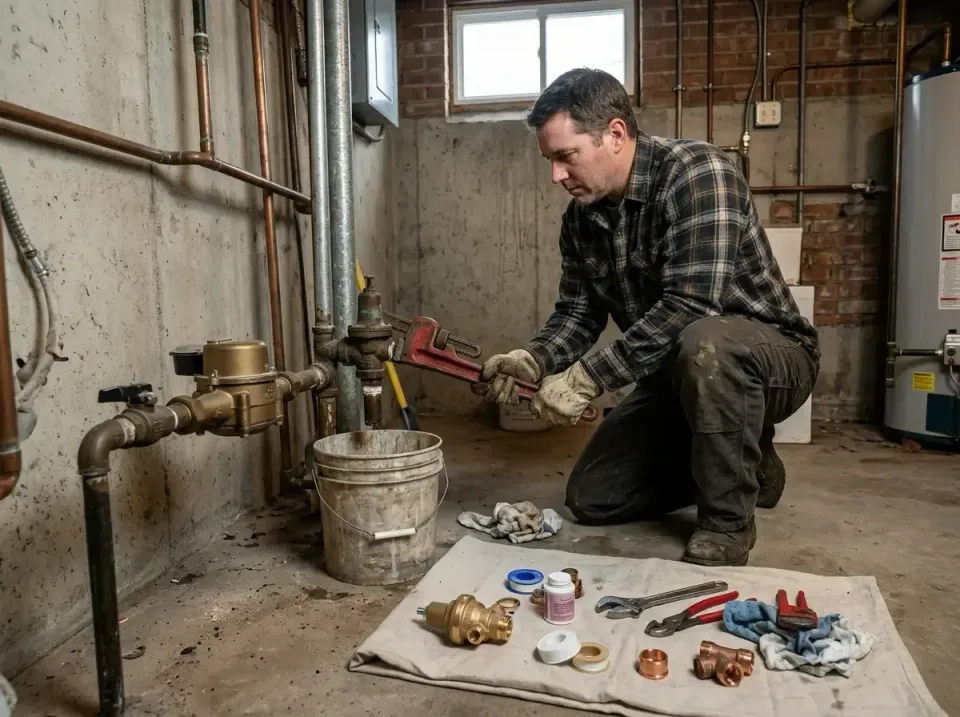
We start by comparing pressure at more than one fixture and checking whether the loss occurs with the water standing or flowing. A gauge reading helps separate a supply problem from a restriction that appears only under demand; static and flowing readings can differ.
A pressure change near the Allen County Courthouse may reflect a house-side issue rather than a landmark or neighborhood condition, so we assess the property itself. Spring rainfall can saturate soil around buried service lines; if a pressure drop follows wet weather, note any damp ground near the service entry without digging.
We explain what the readings suggest before recommending work, and limit the scope to repairs you approve. For a review of sudden pressure loss, call (877) 773-0781.
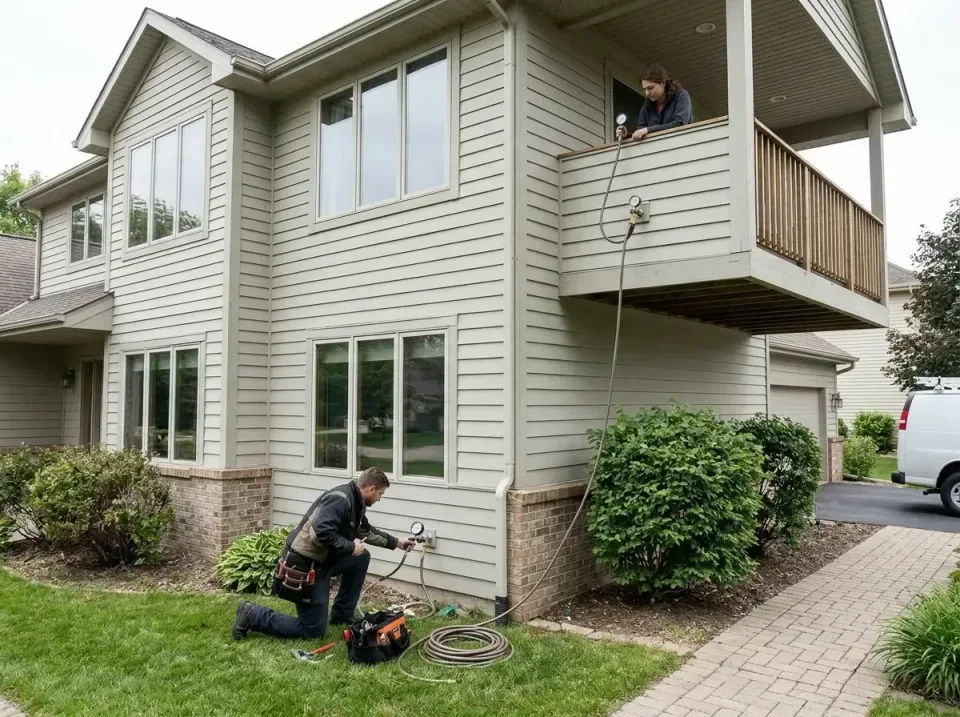
We begin by recording which fixtures changed and when the loss started. Photos of a gauge, if one is already installed, can help, but no special equipment is needed from you.
Next, we compare pressure at selected fixtures and check the supply while water is off and running. Static and flowing pressure readings can differ, so one reading alone may not show how a home behaves during use. We then inspect accessible valves and visible piping for a restriction or leak, keeping the review focused on the reported pressure change.
Our findings lead to a written scope before repair begins. Timing depends on the cause, parts, and access; we explain any delay before proceeding.
Around the Indiana Statehouse, as elsewhere in Indiana, local municipal service conditions can differ, so we distinguish a property-side issue from a broader supply interruption. You can read our pressure diagnosis details if you want to understand the measurements we use.
A homeowner near Eagle Creek Park may find pressure returns after resetting a valve, only to fall again when several fixtures run. That does not prove the underlying restriction is gone.
We compare readings at multiple points and isolate fixtures carefully before opening a line, a step that helps avoid replacing sound pipe based on one weak tap. We also check whether a visible valve is fully open and whether the symptoms point to a leak, rather than assuming every drop needs new equipment. At Indiana Dunes State Park, wind and weather are part of the landscape; at a home, the relevant evidence is still the actual plumbing and its readings.
We explain the likely cause in plain language, outline repair options, and proceed only with your approval. Our crew has served Indiana for more than 11 years and is an Indiana-licensed plumbing contractor insured for residential plumbing work. See how we work on the Indiana Plumbing Pros team page.
A sudden drop that affects several rooms can take more investigation than one weak outlet. A diagnostic visit for pressure loss commonly runs $75–$250, depending on testing and access. If the cause is a failed regulator, replacement often falls around $250–$700; valve size and labor affect the final amount.
A booster pump may be considered when supply conditions and system design support it, with installation often around $800–$2,500 based on pump capacity and electrical work. A well pressure tank repair commonly costs $300–$1,200, depending on tank size and parts. Those are possible repair paths, not automatic recommendations for every sudden pressure change.
We identify the likely source before proposing a repair, since concealed pipe access or a difficult-to-reach valve can change the scope. Final quotes vary by scope, parts, access, and site conditions. For a job-specific quote, call Indiana Plumbing Pros at (877) 773-0781 or review our contact options.
If heavy snow blocks access to an exterior shutoff, avoid forcing it and tell us where it is when arranging service.
Yes, indoor heating can worsen leaks in vulnerable plumbing, so a new pressure drop alongside dampness deserves prompt attention. Note the location and whether the area feels wet, but avoid opening walls before the source is assessed.
Northern Indiana winters are often colder and snowier, which can complicate access and make exposed plumbing more vulnerable. If pressure changes during cold weather, note affected fixtures and keep the route to the home’s shutoff accessible.
The landmark itself does not establish the cause; the home’s supply, valves, and fixtures need to be checked. If the drop began after a change in use, record which taps weaken and whether the problem continues when water use stops.
Describe when the loss began, which fixtures are affected, and whether pressure changes when another tap runs. Near the Studebaker National Museum or elsewhere, those observations help distinguish a one-fixture issue from a wider supply change.
Columbus Architecture is a local reference, not a plumbing test; the home’s visible piping and pressure readings are what help locate the fault. Share any recent renovation or fixture changes so the crew can include them in its assessment.
Select a city to find local low water pressure repair providers we cover in Indiana.