Booster Pump Installation in Danville, IN
Booster pump installation for Danville, IN homes includes pump sizing and electrical coordination; typical jobs run $800–$2,500, depending on pump capacity and electrical work.
At Danville Community High School, summer heat and humidity can mean more household water use and a shower stream that weakens when several fixtures run. We trace the pressure loss before recommending a repair.
A reading tells part of the story. Freeze-thaw cycles can stress buried water lines, so a pressure drop near Danville may call for checking the supply line as well as the fixtures. Our crew compares what happens at different taps and explains the likely cause in plain language.
We diagnose low flow in older frame houses, brick ranch homes, and newer suburban homes, then complete only the work you approve. Seasonal severe weather can also interrupt service, so we distinguish a house-side fault from a broader supply issue before proposing a fix.
Call (877) 773-0781 to arrange a visit. We’ll coordinate access and scheduling, inspect the pressure problem, and discuss practical repair options for your Danville property.
Booster pump installation for Danville, IN homes includes pump sizing and electrical coordination; typical jobs run $800–$2,500, depending on pump capacity and electrical work.
We trace sudden pressure loss for Danville, IN homeowners, checking fixture flow and accessible supply lines; typical repairs run $150–$500, depending on access and parts.
We test residential water pressure with a gauge and compare static and flowing readings; testing time and access shape the diagnostic fee.
We repair residential pressure regulators, including accessible valve and connection work; typical repairs run $250–$700, depending on valve size and labor.
Low hot water pressure service checks hot-side valves, fixtures, and accessible pipe restrictions; typical repairs run $150–$600, depending on access and parts.
We trace weak cold-water flow in homes, checking fixtures and accessible supply piping; typical repairs run about $100–$500, depending on access and the affected pipe section.
Low Faucet Water Pressure service for homeowners with weak sink flow, including aerator and faucet checks; cost depends on access, parts, and the source of the restriction.
We restore weak shower flow by checking the showerhead, valve and supply path; access and repair scope shape the cost.
Whole-house pressure service traces weak flow across a home’s supply, fixtures, and pressure controls. Typical repair costs depend on the source, parts, and access.
We repair residential well pumps and pressure controls, checking the tank and switch; typical repair costs $300–$1,200 depending on tank size and parts.
Repair well pressure tanks for homeowners, including tank and component work; typical jobs run $300–$1,200, depending on tank size and parts.
We trace weak upstairs flow in homes, checking the pressure path and accessible piping. Repair scope depends on access, pipe condition, and parts.
We replace household pressure regulators, including valve sizing and fit; typical jobs run $250–$700, driven by valve size and labor.
We clear or repair clogged residential water lines, including accessible pipe sections; typical jobs run $200–$1,500, depending on blockage location and pipe access.
We repair softener valves, clogged resin beds, and bypasses; typical repairs run $150–$600, depending on parts and access.
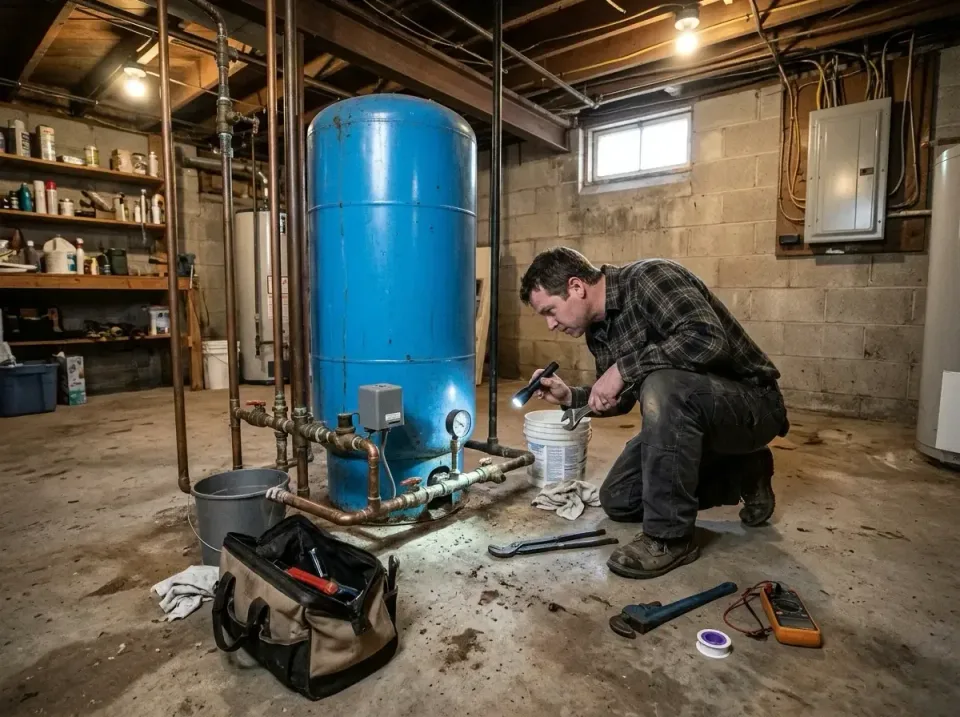
Danville’s Hendricks County Historical Museum and Danville City Hall are useful local reference points, but pressure problems can start inside a home or at its supply. Heavy summer thunderstorms can disrupt municipal water service; we check whether the loss affects one fixture or the whole property before recommending a repair.
Flooding can affect private wells and make water-quality checks necessary, so we do not treat every weak-flow complaint as a pipe blockage. Our team explains findings, agrees on the work with you, and respects access needs and household schedules. Call (877) 773-0781 to arrange a visit.
A pump that runs without restoring flow can leave Danville well owners with weak taps; drought can reduce private well production. We check the well equipment and pressure readings, and you can note whether the pump keeps cycling before our visit.
Seasonal groundwater changes may also affect well performance. If pressure shifts after spring rainfall saturates soil around buried service lines, our crew checks the supply path and accessible connections rather than assuming the pump is at fault. A clear comparison helps.
Our work can include tracing a sudden pressure loss, identifying whether a booster pump is appropriate, or examining a regulator. If heavy snow blocks an exterior shutoff, avoid forcing it; tell us about the access issue when scheduling. We serve Danville, IN, and use the Hendricks County Historical Museum as a familiar local reference when coordinating visits.
A pressure complaint in a Danville basement foundation can be hard to trace when heating-season leaks affect vulnerable plumbing.
Indoor heating can worsen leaks in vulnerable plumbing; watch for dampness near exposed pipes, but do not open walls to investigate. We can assess the water heater and supply line when hot or cold flow changes, then explain which repair fits the evidence. Keep it simple.
Near the Danville Public Library, older properties may have different plumbing access than newer homes. We keep the inspection focused, protect the work area, and check the pressure complaint before proposing water heater repair or water line repair. If you notice a visible leak, shut off water only if the valve operates safely, then arrange a visit.
Before work begins, we check what applies to the specific repair rather than assuming a permit is always required.
Danville City Hall is a local point of reference, but Indianapolis permits are handled separately through its Department of Business and Neighborhood Services and do not establish Danville’s process. Skipping a required permit or inspection can leave work undocumented or out of compliance.
Our crew records static and flowing pressure before repairs, then retests pressure and fixture flow afterward so the result is documented. The EPA Lead and Copper Rule applies to public water systems; it is not a substitute for checking a home’s plumbing. We explain the relevant steps before proceeding.
Get clear communication and a repair plan based on what the plumbing system needs.
The crew checks affected fixtures and the plumbing system to locate the source, from a regulator or clogged line to a well system or fixture. That helps focus recommendations on the cause, not guesswork.
Indiana Plumbing Pros coordinates routes to serve customers in cities and smaller communities, including Danville. The team schedules pressure diagnosis and repairs across the state, with residential plumbing experience shaped by conditions found around Indianapolis.
The crew traces the pressure issue, reviews the repair plan with you, and checks the result.
Describe The Issue
When you call, share which fixtures are affected and when the pressure changes. The team uses those details to schedule a pressure diagnosis and prepare for the visit.
Check Pressure
The technician checks affected fixtures and the plumbing system, recording static and flowing pressure before repairs. You get findings that help identify whether the restriction is local or system-wide.
Repair And Retest
The crew shuts off water before opening pressurized piping, then completes the agreed repair. They retest pressure and fixture flow afterward so you can see how the system responds.
Mineral deposits around faucet aerators can signal buildup where water exits the fixture. Note whether the deposits return after routine cleaning. Sharing that detail can help the technician distinguish a fixture restriction from a broader plumbing concern.
Flow that behaves differently after ordinary household use is worth keeping an eye on. Note which fixtures change and whether the pattern repeats. These observations give the technician useful context without assuming the cause or attempting a repair.
Severe weather can affect plumbing conditions and bring attention to pressure changes around the home. A pressure check can help identify whether the issue is at a fixture or elsewhere in the system. Schedule diagnosis when changing flow needs investigation.
Severe weather can put plumbing systems through changing conditions, while household water use may make pressure concerns easier to notice. A technician can check fixtures and system pressure, then explain the findings. Arrange a visit when flow changes disrupt routine use.
As severe weather remains a possibility, pressure concerns are worth addressing before they interfere with everyday water use. Diagnosis can help trace a restriction to a fixture, line, regulator, or well system. Schedule a check when flow begins acting differently.
Severe weather, including hard freezes, can contribute to plumbing pressure problems in Indiana. If pressure changes, a technician can inspect affected fixtures and the system to look for a cause. Arrange diagnosis when the change needs attention, regardless of the calendar.
Ask whether permits apply to the proposed plumbing work and who is responsible for them. Clarifying this before work starts helps you understand what is included and whether you need to take any action.
Ask how scheduling works for your location and what arrival window to expect. The team coordinates routes across Indiana, so clear timing details help you plan to be home and provide access.
Request a quote online or contact our Danville, IN team directly by phone or email.
Check whether nearby fixtures have the same problem. If only one tap is affected, inspect its aerator for visible debris and clean it if you can remove it safely; do not force a stuck fitting. Our crew can test the fixture and supply if the weak flow remains, including in homes near Gale.
Yes. A pump or related equipment may fail to restore pressure, but changing groundwater conditions can also affect well performance. Note whether the pump cycles and whether several fixtures are weak, then share those observations with our team.
We compare pressure and flow at accessible fixtures, determine whether the property uses municipal water or a private well, and inspect the likely supply path or equipment. We explain what the checks show and get your approval before completing repairs.
Low Water Pressure Repair is also available in these nearby communities across Indiana.