Booster Pump Installation in Mitchell, IN
Booster pump installation for Mitchell, IN homes includes pump sizing and electrical coordination; typical jobs run $800–$2,500, depending on pump capacity and electrical work.
A weak shower stream in Mitchell can start with a local supply interruption or a restriction inside the home. Heavy summer thunderstorms can disrupt municipal water service, so check whether nearby taps are affected before assuming a fixture has failed. One faucet only? Start there.
Freeze-thaw cycles can stress buried water lines, which is why a pressure drop that persists after a storm deserves a closer look. Our team checks the supply, regulator, accessible piping, and fixture flow before recommending work. We explain what we find and complete only repairs you approve.
From Mitchell High School to Spring Mill State Park, we serve homes across Mitchell, including mid-century ranch houses and two-story traditional homes. The property layout and the point where pressure changes help guide the diagnosis, not a guess based on one symptom.
We can arrange service in Mitchell and help you identify what to check before our visit.
Booster pump installation for Mitchell, IN homes includes pump sizing and electrical coordination; typical jobs run $800–$2,500, depending on pump capacity and electrical work.
We trace sudden pressure loss for Mitchell, IN homeowners, checking fixture flow and accessible supply lines; typical repairs run $150–$500, depending on access and parts.
We test residential water pressure with a gauge and compare static and flowing readings; testing time and access shape the diagnostic fee.
We repair residential pressure regulators, including accessible valve and connection work; typical repairs run $250–$700, depending on valve size and labor.
Low hot water pressure service checks hot-side valves, fixtures, and accessible pipe restrictions; typical repairs run $150–$600, depending on access and parts.
We trace weak cold-water flow in homes, checking fixtures and accessible supply piping; typical repairs run about $100–$500, depending on access and the affected pipe section.
Low Faucet Water Pressure service for homeowners with weak sink flow, including aerator and faucet checks; cost depends on access, parts, and the source of the restriction.
We restore weak shower flow by checking the showerhead, valve and supply path; access and repair scope shape the cost.
Whole-house pressure service traces weak flow across a home’s supply, fixtures, and pressure controls. Typical repair costs depend on the source, parts, and access.
We repair residential well pumps and pressure controls, checking the tank and switch; typical repair costs $300–$1,200 depending on tank size and parts.
Repair well pressure tanks for homeowners, including tank and component work; typical jobs run $300–$1,200, depending on tank size and parts.
We trace weak upstairs flow in homes, checking the pressure path and accessible piping. Repair scope depends on access, pipe condition, and parts.
We replace household pressure regulators, including valve sizing and fit; typical jobs run $250–$700, driven by valve size and labor.
We clear or repair clogged residential water lines, including accessible pipe sections; typical jobs run $200–$1,500, depending on blockage location and pipe access.
We repair softener valves, clogged resin beds, and bypasses; typical repairs run $150–$600, depending on parts and access.
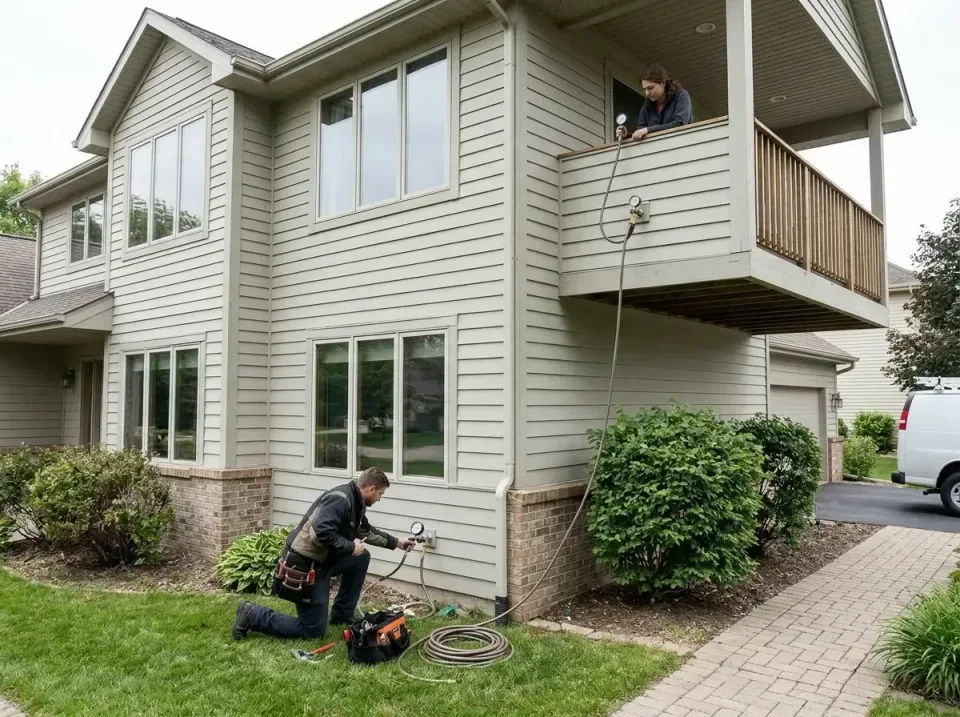
Mitchell’s warm, humid summer months can raise household water use, so a pressure change during busy periods may become more noticeable at several taps. Near Mitchell City Hall, our team looks for the source before proposing a repair.
Flooding can affect private wells and may call for water-quality checks; if a well serves your Mitchell property, tell us about flooding or changes in its output when scheduling. Southern Indiana winters are generally milder than those farther north, but occasional hard freezes can still expose vulnerable plumbing. We account for the actual site conditions.
We schedule with you, protect access areas, and proceed only with work you approve.
When upstairs faucets barely run or pressure falls as appliances operate, note which fixtures change and whether the problem affects hot, cold, or both supplies. Mitchell’s full poured-concrete basements can make the main shutoff and service piping accessible, but the exact layout varies by home.
Seasonal groundwater changes may affect a private well’s performance; our crew checks the pressure readings and well equipment rather than assuming the pump is the only cause. Indoor heating can worsen leaks in vulnerable plumbing, so look for damp spots near exposed pipes without opening walls. Heavy snow can also block an exterior shutoff; keep its access clear when practical.
We serve Mitchell homes in ZIP code 47446. Before we arrive, compare flow at two nearby fixtures and tell us whether the pressure changes when an appliance runs.
Spring rainfall can saturate soil around buried service lines, which may make a pressure change at a Mitchell home worth checking at the service entry as well as at the fixtures. Near Mitchell Public Library, our crew can compare readings and inspect accessible piping before recommending a line repair.
Severe storms may cause power loss affecting well pumps. If your household well stops maintaining pressure during an outage, note whether the pump has power and avoid repeatedly resetting equipment; we can inspect the pump-side pressure controls once access is safe.
A water heater repair may be relevant when the drop affects hot taps but not cold ones. A water line repair is considered when evidence points to a supply restriction or leak. We keep the diagnosis tied to what the readings and visible conditions show.
Mitchell plumbing work must follow Indiana’s applicable requirements, including the Indiana Plumbing Code, 675 IAC 16, and state plumbing contractor licensing under IC 25-28.5.
Mitchell is not governed by Indianapolis’s permit process. Our team checks which local requirements apply before work begins and explains any inspection steps tied to the proposed repair.
At Mitchell Community Center, as elsewhere in town, the rule follows the job and jurisdiction not the landmark. Public water systems are also subject to the EPA Lead and Copper Rule; that system-wide rule does not replace plumbing code requirements inside a home. We document the scope and discuss compliance before proceeding.
Indiana Plumbing Pros traces pressure trouble before recommending a repair.
The crew checks affected fixtures and the plumbing system to narrow down the source, from a regulator or clogged line to a well system or fixture. That helps keep the recommendation focused on what they find.
After diagnosis, the technician explains the findings and reviews repair options before work begins. You can understand the proposed scope and decide how to proceed without surprises about what the repair is intended to address.
With 11 years in business and experience with Indiana homes, the team knows mineral buildup and hard freezes can contribute to pressure trouble. They coordinate service across Indiana, including smaller communities such as Mitchell.
The visit moves from diagnosis to an explained repair and a pressure check.
Discuss the Concern
On the first call, describe where pressure seems low and when you notice it. The team schedules a visit and coordinates its route, so you know what concern the technician will investigate.
Test the System
The technician checks affected fixtures, tests multiple outlets to isolate local restrictions, and records static and flowing pressure before repairs. You get findings based on the fixtures and plumbing system, not a guess.
Repair and Retest
After agreeing on the repair, the crew shuts off water before opening pressurized piping and confirms replacement parts match pipe size and pressure rating. They retest pressure and fixture flow so you can see the result.
Sputtering when a faucet first opens can signal air or a restriction in the plumbing. Notice whether it happens at one fixture or several, and whether it clears quickly; that detail can help a technician narrow down where to check.
Cloudiness that appears as water begins flowing may point to sediment or air in the line, rather than a simple change in pressure. Pay attention to whether it clears and which fixtures show it, and mention the pattern during diagnosis.
Visible grit caught on a faucet aerator is a sign to keep an eye on. A buildup can restrict flow at that fixture, while similar debris appearing elsewhere may call for checking more of the plumbing system.
Spring rain and thunderstorms can make it a useful time to check for pressure changes around plumbing work or a well system. If fixtures behave differently after wet weather, note where the change occurs and ask a technician to assess the system.
Warm, humid summer weather is a good time to address pressure concerns before household water use gets busy. A technician can compare flow at multiple fixtures, identify a local restriction, and review repair options for the cause found.
As crisp autumn weather arrives, consider checking pressure concerns before colder conditions set in. A diagnosis can identify whether a regulator, line, well system, or fixture needs attention and give you clear repair options.
Snow, subzero cold snaps, and occasional ice storms can put plumbing at risk. If pressure changes during cold conditions, a technician can check the affected fixtures and system, explain the findings, and discuss repairs without assuming one cause.
Ask who will perform the plumbing work and confirm the contractor’s Indiana licensing status. Knowing who is responsible for the work helps you make an informed choice before authorizing a repair.
Clarify whether the visit includes checking affected fixtures, testing multiple outlets, and recording pressure before repairs. Knowing what the assessment covers helps you understand the findings and the proposed repair scope.
Ask to see the proposed work scope and any terms that apply before authorizing the repair. The team says it explains findings and reviews repair options before work begins, so confirm what you are agreeing to.
Request a quote online or contact our Mitchell, IN team directly by phone or email.
Compare two nearby fixtures and note whether hot, cold, or both supplies are weak. If Mitchell City Hall-area service is affected across the home, check whether neighbors also report a disruption; for one weak fixture, make sure its handle is fully open and clear visible debris from the aerator only if it comes off easily. Call us if the pressure stays low or you see a leak.
Several fixtures drawing water together can reveal a supply restriction or a system that is not maintaining flow. In Mitchell homes, tell us which appliances were running and whether the change affected every tap; our team checks pressure under flow and traces the cause before recommending a repair.
Yes. A power outage can stop a well pump from supplying water, while flooding around a well may require water-quality checks. If a storm near Spring Mill State Park leaves your well system without pressure, note whether power has returned and arrange an inspection rather than repeatedly resetting pump controls.
Low Water Pressure Repair is also available in these nearby communities across Indiana.