Booster Pump Installation in Wabash, IN
Booster pump installation for Wabash, IN homes includes pump sizing and electrical coordination; typical jobs run $800–$2,500, depending on pump capacity and electrical work.
Wabash County Courthouse stands among homes and businesses where a sudden weak stream can disrupt ordinary routines. Our team traces low pressure to its source before recommending work, whether the issue affects one fixture or several floors.
Heavy summer thunderstorms can disrupt municipal water service, so a pressure drop that starts during a storm may not come from a failed pipe inside your home. Summer heat and humidity also increase household water demand; if flow falters when multiple fixtures run, we check how pressure behaves under use. Residents near Valley Brook and Sunnymede can ask us to compare readings at different fixtures and explain what we find.
A useful reading needs context. The Honeywell Center and Wabash County Museum are familiar points in our service area, but every repair starts with the plumbing at your property, not a guess based on location.
Our team serves Wabash and schedules the visit around access to your meter, shutoff, and fixtures. Call (877) 773-0781 to discuss a pressure problem and arrange a practical next step.
Booster pump installation for Wabash, IN homes includes pump sizing and electrical coordination; typical jobs run $800–$2,500, depending on pump capacity and electrical work.
We trace sudden pressure loss for Wabash, IN homeowners, checking fixture flow and accessible supply lines; typical repairs run $150–$500, depending on access and parts.
We test residential water pressure with a gauge and compare static and flowing readings; testing time and access shape the diagnostic fee.
We repair residential pressure regulators, including accessible valve and connection work; typical repairs run $250–$700, depending on valve size and labor.
Low hot water pressure service checks hot-side valves, fixtures, and accessible pipe restrictions; typical repairs run $150–$600, depending on access and parts.
We trace weak cold-water flow in homes, checking fixtures and accessible supply piping; typical repairs run about $100–$500, depending on access and the affected pipe section.
Low Faucet Water Pressure service for homeowners with weak sink flow, including aerator and faucet checks; cost depends on access, parts, and the source of the restriction.
We restore weak shower flow by checking the showerhead, valve and supply path; access and repair scope shape the cost.
Whole-house pressure service traces weak flow across a home’s supply, fixtures, and pressure controls. Typical repair costs depend on the source, parts, and access.
We repair residential well pumps and pressure controls, checking the tank and switch; typical repair costs $300–$1,200 depending on tank size and parts.
Repair well pressure tanks for homeowners, including tank and component work; typical jobs run $300–$1,200, depending on tank size and parts.
We trace weak upstairs flow in homes, checking the pressure path and accessible piping. Repair scope depends on access, pipe condition, and parts.
We replace household pressure regulators, including valve sizing and fit; typical jobs run $250–$700, driven by valve size and labor.
We clear or repair clogged residential water lines, including accessible pipe sections; typical jobs run $200–$1,500, depending on blockage location and pipe access.
We repair softener valves, clogged resin beds, and bypasses; typical repairs run $150–$600, depending on parts and access.
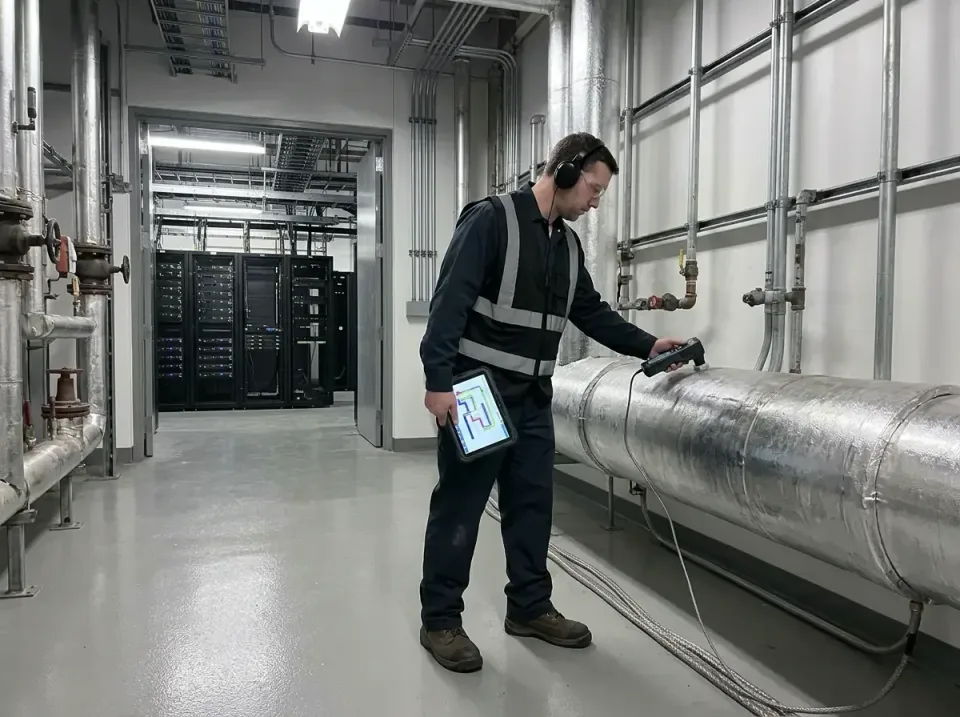
At the Wabash County Courthouse and nearby blocks, a pressure complaint can involve very different plumbing depending on the property. Freeze-thaw stress on buried water lines can contribute to trouble that appears indoors, so our team checks the supply path instead of assuming a fixture is at fault.
Seasonal groundwater changes may also affect a private well’s performance; a homeowner can note whether weak flow coincides with changes in the well system. Heavy snow may obstruct an exterior shutoff, so keep its location clear when conditions allow.
We schedule with access and household routines in mind. Short, clear findings come first.
When upstairs faucets barely flow or pressure fades across the home, the first step is comparing fixtures. In Wabash, cold winter conditions can freeze exposed plumbing or damage an outdoor hose bib; our crew checks accessible supply piping and asks whether the change began after a freeze. You can safely check whether the outdoor tap is fully closed and whether other fixtures are also weak.
A humid continental climate brings winter conditions that can expose poorly insulated plumbing, while indoor heating can worsen leaks in vulnerable pipework. We inspect for visible leaks and test pressure before recommending a repair. Stop there if you see water damage.
Our team serves Wabash, IN. A homeowner can tell us whether the home uses municipal supply or a private well before we schedule access to the meter and fixtures.
Rapid temperature swings increase freeze risk in crawlspaces, where a vulnerable line may restrict flow or leak out of sight. If a Wabash shower stream weakens after a temperature shift, check other taps and look for visible dampness without entering a tight or unsafe space. Our crew can inspect accessible plumbing and isolate the affected section.
A severe storm can also interrupt power to a well pump, leaving a home short of water even when its pipes are intact. We ask whether the pump has power and inspect the system before suggesting a repair. Near the Wabash Carnegie Public Library, we schedule access around the property and the equipment that needs testing.
A water softener or water heater may be part of the pressure problem; we check whether the symptom is isolated to fixtures supplied through that equipment. Our findings guide the repair.
In Valley Brook, our team can compare a weak shower with nearby fixtures to help identify whether the restriction is local or broader. Sunnymede customers can point out whether low flow began after a water softener change; we check the equipment and accessible piping before recommending work. In South Haven, a clogged water pipe may restrict flow, so we inspect the affected route and consider access before proposing a repair.
A homeowner can first remove and rinse a faucet aerator if only that tap has weak flow; do not take apart a pressurized pipe. The Wabash County Museum is a familiar local reference as we coordinate visits across the city. Repair pricing depends on the scope, parts, access, and site conditions; we explain the work before proceeding.
Get a clear explanation of the pressure issue and repair options before work begins.
The crew checks fixtures and the plumbing system to trace the cause, rather than guessing. They look for issues such as a regulator, clogged line, well system, or fixture before recommending work.
After diagnosis, the technician explains what they found and reviews repair options with you before starting. You can understand the proposed scope and agree on the work before the repair begins.
With 11 years in business and residential plumbing experience around Indianapolis, the team understands how mineral buildup and hard freezes can affect plumbing. They schedule service across Indiana, including Wabash.
Flow changes when another fixture is used can be an early sign worth noting. Pay attention to whether the change happens repeatedly, and share which fixtures are running when you notice it.
Uneven flow from a fixture can be an early clue, even if the change seems minor. Notice whether it varies during use and whether the same pattern appears at other fixtures.
Spring storms can bring heavy rain and flooding concerns in low-lying areas near rivers. If water pressure changes, a technician can check the plumbing system and affected fixtures, then explain what they find and which repair options fit.
Humid summer storms can bring changing weather and heavy rain to Wabash. A pressure diagnosis can help trace a concern at the fixtures or elsewhere in the plumbing system, with findings and repair options reviewed before work begins.
Fall is a useful time to address a pressure concern before colder weather arrives. The crew can check fixtures and the plumbing system, look for possible restrictions, and review repair options so you can decide on the next step.
Occasional lake-effect snow and hard freezes can put added stress on plumbing in Indiana homes. If you notice a pressure change, a technician can inspect the affected fixtures and system, explain the findings, and discuss suitable repairs.
Well Pump Cycling
Before: A well pump cycles without restoring pressure, leaving the household unsure where the trouble starts. Repeated cycling is a reason to have the well system and related plumbing checked instead of assuming the pump alone is the cause.
After: The technician checks the affected fixtures and plumbing system, then explains what the diagnosis shows and reviews repair options before work begins. After any repair, pressure and fixture flow are retested to check the result.
Permit requirements can depend on the repair and local rules. Ask who checks what applies and whether permit coordination is included, so you understand any responsibilities before the work is scheduled.
The team coordinates routes across Indiana, including smaller communities. Ask about the expected scheduling window and how updates are shared, so you know how the visit will fit your plans.
Ask how the proposed scope, any changes, and approval are documented. Reviewing those terms before work begins helps you understand what has been agreed to and what would require a separate discussion.
Request a quote online or contact our Wabash, IN team directly by phone or email.
A weak shower can come from a restriction at the fixture or a supply problem affecting other taps. In Wabash, heavy summer storms can disrupt municipal service, so compare another faucet and note whether the pressure change began during a storm. Our team tests the plumbing before recommending a repair.
If several upstairs fixtures are weak, the issue may be in the supply serving that level rather than one faucet. In Sunnymede, check whether downstairs taps have normal flow and whether the problem affects hot, cold, or both; our team uses those details to guide testing.
Pressure diagnosis generally costs $75–$250, depending on testing and access. In Wabash, repair quotes vary with the scope, parts, access, and site conditions; we explain the findings and proposed work before you approve it.
Keep the water meter, regulator, shutoff, and affected fixtures accessible, and note whether the home uses municipal supply or a private well. If you are in South Haven, also tell our team which fixtures have weak flow so we can plan the right tests.
Low Water Pressure Repair is also available in these nearby communities across Indiana.