Booster Pump Installation in Lagrange, IN
Booster pump installation for Lagrange, IN homes includes pump sizing and electrical coordination; typical jobs run $800–$2,500, depending on pump capacity and electrical work.
Near the LaGrange County Courthouse, a weak shower or a barely flowing upstairs faucet can point to more than one plumbing fault. We trace low pressure before recommending a repair.
Freeze-thaw cycles stress buried water lines, so a pressure drop may call for checking the service line rather than replacing a fixture. Heavy summer thunderstorms can disrupt municipal water service; if several taps weaken at once, ask whether nearby supply service is affected before assuming the home has a pipe failure.
Our crew compares flow at fixtures and checks the supply, regulator, and accessible piping. In Northwood, we can distinguish a single-faucet restriction from a whole-house pressure problem, then explain the repair options in plain language. Short checks first.
The LaGrange County Historical Museum is another local marker for our service area.
Booster pump installation for Lagrange, IN homes includes pump sizing and electrical coordination; typical jobs run $800–$2,500, depending on pump capacity and electrical work.
We trace sudden pressure loss for Lagrange, IN homeowners, checking fixture flow and accessible supply lines; typical repairs run $150–$500, depending on access and parts.
We test residential water pressure with a gauge and compare static and flowing readings; testing time and access shape the diagnostic fee.
We repair residential pressure regulators, including accessible valve and connection work; typical repairs run $250–$700, depending on valve size and labor.
Low hot water pressure service checks hot-side valves, fixtures, and accessible pipe restrictions; typical repairs run $150–$600, depending on access and parts.
We trace weak cold-water flow in homes, checking fixtures and accessible supply piping; typical repairs run about $100–$500, depending on access and the affected pipe section.
Low Faucet Water Pressure service for homeowners with weak sink flow, including aerator and faucet checks; cost depends on access, parts, and the source of the restriction.
We restore weak shower flow by checking the showerhead, valve and supply path; access and repair scope shape the cost.
Whole-house pressure service traces weak flow across a home’s supply, fixtures, and pressure controls. Typical repair costs depend on the source, parts, and access.
We repair residential well pumps and pressure controls, checking the tank and switch; typical repair costs $300–$1,200 depending on tank size and parts.
Repair well pressure tanks for homeowners, including tank and component work; typical jobs run $300–$1,200, depending on tank size and parts.
We trace weak upstairs flow in homes, checking the pressure path and accessible piping. Repair scope depends on access, pipe condition, and parts.
We replace household pressure regulators, including valve sizing and fit; typical jobs run $250–$700, driven by valve size and labor.
We clear or repair clogged residential water lines, including accessible pipe sections; typical jobs run $200–$1,500, depending on blockage location and pipe access.
We repair softener valves, clogged resin beds, and bypasses; typical repairs run $150–$600, depending on parts and access.
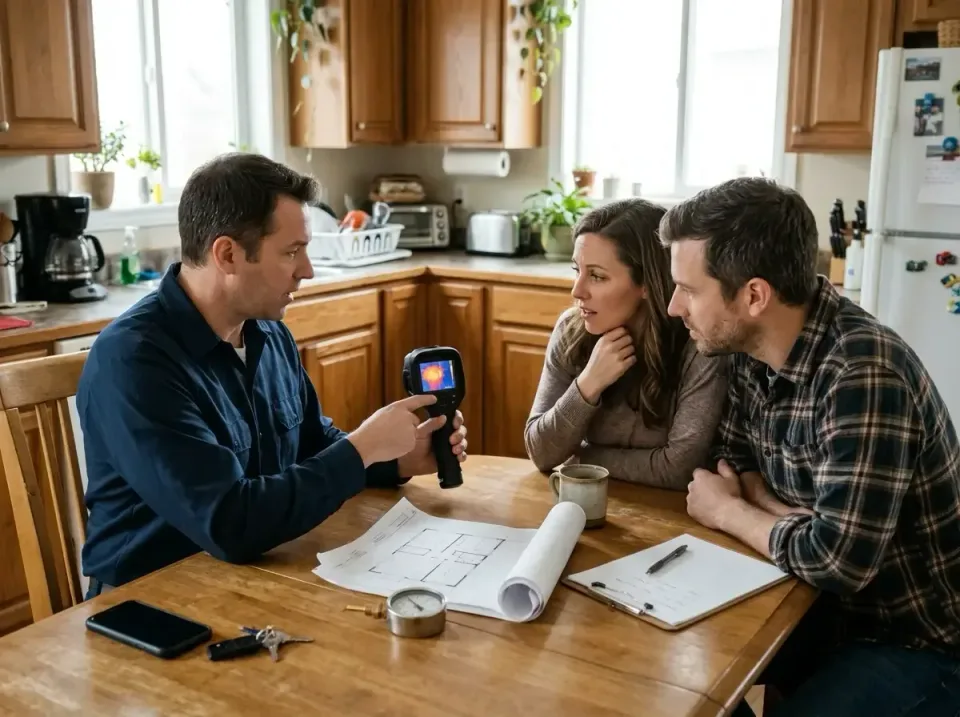
At the LaGrange County Fairgrounds, seasonal activity can mean more household water use nearby; a weak flow during busy periods still needs a measured diagnosis, not a guess. Warm, humid summers increase household water demand, so simultaneous fixture use can make an existing restriction easier to notice.
Cold winters can freeze exposed plumbing or damage an outdoor hose bib; before a winter visit, tell us if the pressure change followed a freeze. For private wells, drought can reduce production, while flooding may require water-quality checks before normal use resumes. We schedule access with you and can route calls through our Indiana dispatch.
If pressure fades when a second tap opens, check whether the drop affects every fixture; seasonal groundwater changes can also affect well performance around Lagrange. We compare flowing pressure and fixture output, then inspect the likely restriction or well-system components.
Spring rain can saturate soil around buried service lines, so a sudden change after wet weather deserves a service-line check. Heavy snow may also block an exterior shutoff; clear a safe path before our team arrives, but do not force a buried or stuck valve. At the LaGrange County Courthouse, as elsewhere in town, we use the same measured process and adapt access to the property.
We handle diagnosis, regulator or clogged-pipe repairs, and booster pump installation when readings support it. Our coverage includes ZIP code 46761. Before a visit, note whether the problem affects hot water, cold water, or both.
A cold snap can expose poorly insulated plumbing in LaGrange, especially where a line or hose bib sits in an unheated space. Look for a visible drip or frost near accessible plumbing, but do not open walls to investigate.
LaGrange County Courthouse helps anchor our local service area; older plumbing around town may need careful access planning before we can inspect a line. The humid continental climate means indoor heating can worsen a leak in vulnerable plumbing when dry air and heat expose a weak joint. We check accessible connections and pressure readings before recommending a repair.
A water softener can also restrict flow if its valve or internal path is obstructed. If pressure changed after a regeneration cycle, note that timing for our team. We can isolate the unit and test flow without assuming the softener is the cause.
For work near the LaGrange County Historical Museum, permit requirements depend on the repair scope and local authority; do not assume every pressure adjustment needs the same approval.
We record static and flowing pressure before repairs so the cause and starting condition are clear. For public-water customers, the EPA Lead and Copper Rule concerns water-system sampling and corrosion control; it is not a substitute for diagnosing a household pressure fault. After the repair, we retest pressure and fixture flow and explain the results.
Skipping a required permit or inspection can leave work undocumented or noncompliant. Our team checks the applicable local process before work begins and coordinates any required inspection. The American Water Works Association’s water-system guidance can inform utility-side questions, but local requirements govern the job.
Indiana Plumbing Pros traces the cause before recommending a repair.
The technician explains the findings and reviews repair options with you before work begins. That gives you a chance to understand the proposed scope and agree on what should be addressed.
Work across Indiana gives the team experience with older homes, mineral buildup, and hard freezes that can contribute to pressure trouble. They use that context to help guide their diagnosis, not assume the cause.
The crew tests pressure, explains its findings, and verifies the repair.
Discuss the Issue
You describe where pressure seems low and when you notice it. The team uses those details to plan which fixtures and parts of the plumbing system to check.
Test Pressure
The technician records static and flowing pressure, then tests multiple fixtures to help isolate a local restriction or broader system issue. You get findings tied to the checks performed.
Repair and Retest
The crew shuts off water before opening pressurized piping and checks that replacement parts match pipe size and pressure rating. After repairs, they retest pressure and fixture flow so you can see the result.
Mineral deposits around faucet aerators can be an early clue that buildup is collecting where water exits. Check whether the screen looks crusted or blocked. Cleaning or inspection may help distinguish a fixture restriction from a pressure issue elsewhere.
Visible grit in a faucet screen is a sign to pay attention to. Debris may restrict flow at that outlet, though it does not establish what is happening elsewhere in the plumbing. Note which fixture has buildup and share that detail during an assessment.
A pressure gauge that gives inconsistent readings is a reason to seek a proper check rather than rely on a single glance. Record what you observe and avoid adjusting plumbing controls without understanding their purpose.
Changing temperatures after cold snaps can make spring a useful time to check plumbing for pressure concerns. If you have noticed a change, arrange an assessment so the crew can test fixtures and the system and explain what they find.
Summer is a practical time to address pressure concerns before household water use shifts again. A technician can compare pressure and fixture flow, then discuss whether a local restriction or a system component needs attention.
Fall offers a chance to have pressure concerns checked before colder weather arrives. The crew can inspect affected fixtures and the plumbing system, explain possible causes, and review repair options before work begins.
Lagrange's cold winter snaps and lake-effect snow make winter a sensible time to address pressure concerns. A technician can test the system and help identify whether a plumbing restriction or another component is affecting flow.
Permit needs can depend on the work involved and local requirements. Ask the provider to explain whether permits apply to the proposed scope and who is responsible for addressing them before work starts.
The team coordinates routes across Indiana, including smaller communities. Ask how scheduling works for your location and what information they need to plan a visit, so you can set expectations without assuming a specific arrival time.
A clear scope helps you understand which checks and repairs are included and what may require separate discussion. Ask the provider to explain the work before approving it, including how findings will be shared.
Written terms can clarify the approved work, responsibilities, and how changes are handled. Read them before agreeing, and ask the provider to explain any part that is unclear or differs from the repair options discussed.
Request a quote online or contact our Lagrange, IN team directly by phone or email.
A weak shower can come from a fixture restriction, a regulator issue, or a wider supply problem. Check whether nearby faucets are also weak; if they are, tell our team before a visit near Northwood so we can start with whole-home pressure checks.
Yes. Changes in groundwater or a well-system fault can affect supply. Note whether the pump runs repeatedly or pressure changes across multiple fixtures, then share that information with our team in Lagrange.
Low Water Pressure Repair is also available in these nearby communities across Indiana.